Phoenix AZ Commercial Roofing Contractor – Best Roofing Company Phoenix

Phoenix AZ Commercial Roofing Contractor – Best Roofing Company Phoenix

Seasonal Demands on Phoenix Commercial Roofing and How to Address Them

Caucasian Professional Roof Contractor Caucasian Professional Roof Contractor and His Job. Roofing Theme. roofing contractor stock pictures, royalty-free photos & images

Roofs are one of the most critical components of a home, providing protection against unpredictable weather conditions throughout the year. However, each season brings its own challenges that can take a toll on your roof if not properly managed. Understanding these seasonal demands and addressing them proactively is essential for maintaining longevity and performance.

Common Seasonal Roofing Challenges

  1. Springtime often brings heavy rains, which can reveal leaks or weak spots in your roof.
  2. Melting snow from winter combined with rain can lead to pooling water on flat roofs.
  3. Moss and algae growth might increase due to higher moisture levels.
  4. Prolonged exposure to UV rays can cause roofing materials to deteriorate or fade.
  5. High temperatures may lead to thermal expansion, which can weaken roofing seals over time.
  6. Strong summer storms might cause wind damage or dislodge shingles.
  7. Falling leaves can clog gutters, leading to water buildup that damages roof edges.
  8. Temperature fluctuations during fall nights and days may stress roofing materials.
  9. Debris buildup creates opportunities for mold and mildew if left unchecked.
  10. Snow accumulation adds significant weight, potentially stressing the roof structure.
  11. Ice dams form when heat escapes through the attic, causing uneven melting and refreezing along the roofline.
  12. Freezing temperatures exacerbate small cracks in shingles or flashing.

Steps to Address Seasonal Demands

  • Schedule Regular Inspections: Professional inspections before spring rains or winter snow help identify underlying problems early.
  • Clean Gutters Regularly: Remove debris during both fall and spring to prevent water pooling near your roofline.
  • Trim Overhanging Branches: Trimming branches reduces debris accumulation and minimizes risks of wind damage during storms.
  • Enhance Ventilation and Insulation: Proper attic ventilation prevents heat buildup in summer and ice dam formation in winter.

Roofing Maintenance Checklist

Maintenance Task Best Time of Year Why It’s Important
Inspect Roof for Damage Spring/Fall Identifies issues caused by weather
Clean Gutters Fall/Spring Prevents water damming
Check Attic Ventilation Summer/Winter Reduces energy costs and structural stress
Assess Flashing Around Chimneys/Skylights Any Season Avoids leaks around vulnerable areas

When to Call a Professional

  • Repairing damaged shingles after a storm ensures proper installation techniques are used.
  • Addressing structural issues detected during inspections requires specialized tools and training.
  • Replacing worn-out flashing safeguards against leaks that could result in costly interior repairs.

Understanding seasonal demands allows homeowners to implement timely measures that protect their investment while ensuring their family’s safety year-round.

Ensuring Long-Term Protection with a Commercial Roofing Contractor Phoenix

Roof maintenance is one of the most critical aspects of homeownership, yet it often gets overlooked until significant problems arise. Regular professional roof inspections are essential for ensuring your roof’s longevity and protecting your property from costly damage. Here’s why investing in professional inspections is crucial for long-term protection.

Preventative Care to Prolong Roof Lifespan

  • Early detection of leaks: Small leaks can grow into significant water damage affecting ceilings, walls, and insulation.
  • Protection against structural decay: Moisture buildup can cause rot or mold in wooden roofing components.
  • Increased durability: Routine maintenance helps maximize the life expectancy of roofing materials.

Comprehensive Assessment by Experts

Inspection Element Purpose of Examination
Shingles or tiles Check for cracks, curling, or missing pieces that compromise protection
Flashing Ensure proper sealing around chimneys, vents, and skylights
Gutters Verify that gutters are free from blockages causing water pooling
Roof decking Assess structural integrity below the surface
Attic ventilation Inspect airflow to prevent moisture buildup

This comprehensive assessment helps homeowners understand the current condition of their roof while addressing any areas that need attention.

Cost-Saving Benefits Over Time

  • Avoid expensive repairs: Catching damage early prevents costly emergency repairs or full replacements.
  • Lower energy costs: Identifying and fixing ventilation issues ensures energy efficiency by regulating attic temperatures.
  • Protect home value: A well-maintained roof contributes positively to your property’s resale value.

By identifying potential problems during regular inspections, property owners can avoid unexpected expenses while maintaining peace of mind.

Compliance with Warranty Requirements

Many roofing material manufacturers require periodic professional inspections as part of their warranty terms. Neglecting these requirements might void your warranty coverage. Hiring certified contractors ensures that all inspection and maintenance work adheres to industry standards.

When Should You Schedule Inspections?

  1. Annually for routine maintenance: A once-a-year inspection suffices under normal circumstances.
  2. After severe weather events: Hailstorms or heavy winds can cause hidden damage that needs immediate attention.
  3. Before buying or selling a home: Ensure there are no hidden defects affecting the value or safety of the property.

By staying proactive about scheduling inspections with qualified professionals, you reduce long-term risks while enhancing your home’s overall reliability and safety.

Regular professional roof inspections are not just about maintaining appearances but ensuring longevity and functionality at every level through expert care tailored specifically for your rooftop needs.

Early Detection of Hidden Issues with Commercial Roofing Services Phoenix AZ to Prevent Costly Replacements

Proactively addressing hidden roofing issues is essential for maintaining the structural integrity of your home and avoiding expensive repairs. Small, undetectable problems can quickly escalate if left unattended, leading to the need for costly roof replacements. Here’s how early detection and regular maintenance can make a significant difference.

Common Hidden Roofing Issues

  • Leaking or Clogged Gutters: Improper drainage can cause water to accumulate on your roof, leading to leaks and water damage.
  • Flashing Damage: Damaged or loose flashing around chimneys, vents, and skylights can allow moisture to seep into your attic.
  • Moisture Buildup in Insulation: Undetected leaks can lead to damp insulation, which may encourage mold growth and weaken the roof’s structure.
  • Pest Infestation: Birds, rodents, or insects nesting in your roof can damage shingles or underlying materials over time.
  • Cracks in Roofing Material: Hairline cracks in shingles or tiles may seem insignificant but could expand due to weather exposure.

Benefits of Early Detection

  1. Reduced Repair Costs: A minor repair is far less expensive than replacing an entire roof structure.
  2. Increased Roof Lifespan: Addressing small issues helps extend the life of your roofing system by maintaining its integrity.
  3. Improved Energy Efficiency: Fixing gaps or damaged areas ensures proper insulation, reducing heating and cooling costs.
  4. Healthier Living Environment: Preventing moisture buildup stops mold growth that could negatively impact indoor air quality.

Signs You May Need a Roofing Inspection

  • Water stains on ceilings or walls inside your home.
  • Increasing utility bills due to poor insulation from roofing leaks.
  • Missing shingles observed after heavy winds or storms.
  • Sagging areas on the roof surface.
  • Granules from asphalt shingles collecting in gutters.

Professional Methods for Detecting Hidden Issues

Method Purpose
Infrared Scanning Identifies trapped moisture beneath roofing materials using heat mapping technology.
Drone Inspections Provides high-resolution images of hard-to-reach areas without risking safety hazards for workers.
Core Sampling Examines layers of roofing material for signs of degradation or trapped water within insulation layers.
Moisture Meter Testing Measures levels of moisture within the attic or roof deck materials accurately.

Preventative Measures You Can Take

  • Regularly clean gutters and downspouts to ensure proper drainage.
  • Trim overhanging tree branches that could drop debris onto your roof.
  • Conduct visual inspections after major storms for missing shingles or damaged flashing.
  • Schedule annual professional inspections even if no obvious problems exist.

Early detection is a key factor in preventing minor roofing issues from escalating into large-scale replacements that strain budgets unnecessarily. By taking preventative measures at home and relying on expert assessments when needed, you safeguard both your property investment and peace of mind long-term.

Discover Why a Phoenix Arizona Commercial Roofing Company is Essential for Your Business

Roofs are a significant investment, offering protection, insulation, and curb appeal to your property. However, not all roofing systems are created equal, and their performance depends heavily on proper installation and maintenance. This is where professional expertise becomes indispensable. Hiring qualified roofing contractors ensures your roof not only meets industry standards but also performs optimally for years to come.

Knowledge of Diverse Roofing Materials

  • Asphalt shingles: Affordable, durable, and versatile.
  • Metal roofing: Highly durable and energy-efficient.
  • Clay or concrete tiles: Known for their longevity and aesthetic appeal.
  • Slate roofing: Premium option with exceptional durability.
  • Flat or membrane roofs: Commonly used on commercial buildings.

Each material has specific installation requirements and maintenance needs. Professionals possess the training and tools necessary to handle these materials correctly.

Advanced Installation Techniques

  1. Proper alignment of shingles or tiles.
  2. Adequate underlayment installation for moisture resistance.
  3. Precise flashing placement around chimneys, vents, and skylights.

Their knowledge helps eliminate errors that could compromise the functionality of your roof.
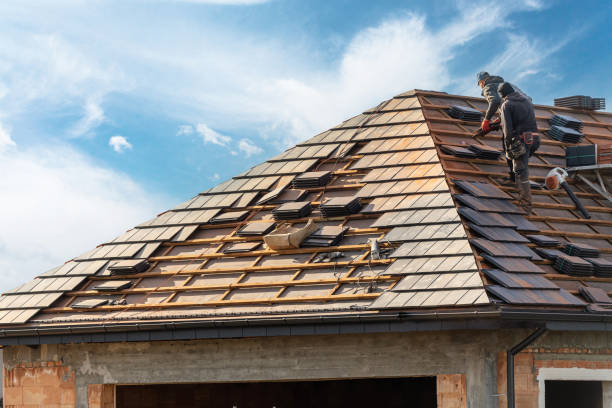
builder working on rooftop of house on construction site process of building, roofer workers installing grey metal tile on top of roof with wooden frame outdoors on blue sky background roofing contractor stock pictures, royalty-free photos & images

Access to Specialized Tools

Tool Purpose
Pneumatic nail guns Faster and more secure shingle installation
Safety harnesses Ensuring worker safety during high installations
Magnetic sweepers Collecting nails and debris after construction
Moisture meters Detecting hidden water damage

Professional contractors utilize these tools efficiently to deliver high-quality results while minimizing risks.

Warranty Protection

Most manufacturers only honor warranties if the roof is installed by licensed professionals. Improper installation can void warranties altogether. By hiring experts familiar with warranty requirements, you protect yourself against unexpected repair expenses in the future.

Compliance with Building Codes

Roofing projects must adhere to local building codes regarding materials, load capacities, insulation standards, etc. Professional contractors stay updated on these regulations and ensure your project complies fully—avoiding legal complications or costly fines.

Long-Term Cost Efficiency

  • Enhanced energy efficiency lowers utility bills.
  • Fewer weather-related damages reduce long-term costs.

Hiring professionals ultimately yields better financial outcomes over time without compromising quality or safety.

Investing in skilled roofing contractors is key for safeguarding your home’s structural integrity while optimizing its appearance and performance potential. Their expertise ensures work is completed safely and professionally—valuable benefits that outweigh any short-term cost savings from unqualified alternatives.

Safety and Efficiency: Key Reasons to Choose Expert Roofing Contractors

When it comes to roofing projects, safety and efficiency should be top priorities. Handling roof repairs or installations without professional assistance can lead to accidents, wasted time, or costly errors. Hiring expert roofing contractors ensures that the job is done right the first time while prioritizing the safety of all involved parties. Below are key reasons why choosing professionals is essential for safety and efficiency.

1. Specialized Training and Certification

Professional roofing contractors undergo rigorous training to master their trade. This includes understanding advanced roofing techniques, adhering to safety standards, and learning how to operate specialized equipment properly. Some of the certifications they often hold include:
OSHA (Occupational Safety and Health Administration) compliance for workplace safety.
– Manufacturer-specific certifications for installing materials such as shingles or metal roofing systems correctly.
– Licensing from state or local authorities ensuring they meet industry standards.

These qualifications ensure that contractors deliver high-quality work while minimizing risks during a project.

2. Use of Proper Equipment

Roofing projects require tools and equipment that are not typically available to homeowners or DIY enthusiasts. Professional roofers utilize:
Fall protection systems, such as harnesses and guardrails, to work safely at heights.
– Advanced tools like pneumatic nail guns, moisture meters, and thermal imaging devices for precise repairs or installations.
– Heavy-duty ladders and scaffolding to ensure stability during the job.

Accessing this equipment ensures efficiency without compromising on safety.

3. Knowledge of Local Building Codes

Expert roofing contractors are well-versed in local building codes and regulations that pertain to residential or commercial roofs. Compliance with these codes ensures that your roof not only meets structural requirements but also avoids potential fines or issues during property inspections.

Building Code Requirement Common Violation with DIY Projects Consequence
Proper Roof Ventilation Insufficient vents installed Premature shingle deterioration
Correct Underlayment Installation Skipping underlayment altogether Water damage from leaks

Hiring professionals eliminates these risks by ensuring adherence to regulations.

4. Reduction in Accidents and Injuries

Roofing projects involve significant risks such as falls, tool mishandling, or exposure to hazardous materials like asbestos found in old shingles. Professional contractors mitigate these dangers by:
– Conducting thorough risk assessments before starting work.

– Wearing personal protective equipment (PPE), including helmets, gloves, eye protection, and non-slip footwear.

– Implementing strict safety protocols on-site.

This reduces both workplace injuries for workers and liability risks for property owners.

5. Enhanced Project Efficiency

Experienced roofing contractors complete projects efficiently due to their expertise in planning, resource management, and teamwork capabilities:
1. They perform a detailed assessment first to identify problem areas quickly.

2. They have access to a reliable supply chain for quality materials at competitive prices.

3. Their team executes repairs or installations within scheduled deadlines without compromising quality.

Attempting DIY roof repairs can lead to delays caused by lack of knowledge or unforeseen challenges—issues that professionals know how to handle seamlessly.

Takeaway: Why It Pays Off in the Long Run

Investing in expert roofing contractors may seem like an added expense initially; however, it prevents unnecessary costs associated with errors during installation or repair processes when done incorrectly by untrained individuals. The combination of specialized skills, access to professional-grade tools, compliance with building codes, enhanced safety measures, and streamlined workflows makes hiring professionals a prudent choice for any homeowner looking for durable results in an efficient manner.

Preserving Warranty and Insurance Claims Through Proper Roofing Practices

Maintaining the integrity of your roof not only ensures the safety of your home but also plays a crucial role in preserving warranty coverage and ensuring successful insurance claims when needed. Many homeowners may not realize that improper roofing practices or neglect can void warranties and affect insurance claims. Here’s how you can safeguard these essential protections through proper roofing practices.

Understanding Roofing Warranties

  • Manufacturer’s Warranty: Covers defects in the roofing materials, such as shingles or underlayment. These warranties often have specific terms and conditions that must be followed to remain valid.
  • Contractor’s Workmanship Warranty: Covers issues stemming from improper installation techniques or poor craftsmanship. This warranty generally depends on the contractor’s policies and reputation.

Failing to adhere to maintenance guidelines, using unapproved materials, or hiring unqualified contractors can void both types of warranties.

Common Mistakes That Void Warranties

To preserve your warranty coverage, avoid these common pitfalls:
DIY Roof Repairs: Attempting repairs without professional expertise can lead to subpar results and void warranties that require certified contractors for repairs and installations.
Improper Ventilation: Poor ventilation can trap heat and moisture in your attic space, potentially damaging shingles and voiding material warranties.
Failure to Maintain Routine Inspections: Most warranties stipulate regular inspections by licensed roofing professionals as a prerequisite for coverage. Neglecting this requirement could leave you unprotected.

Tips to Safeguard Your Roofing Warranty

By following these best practices, you can ensure that your roof remains under warranty:
1. Schedule annual professional roof inspections for early detection of potential issues.

2. Keep detailed documentation of all maintenance, inspections, and repairs performed on your roof.

3. Use materials approved by the manufacturer when replacing damaged components.

4. Work exclusively with licensed, insured contractors familiar with warranty requirements.

5. Address small issues promptly before they escalate into larger problems.

The Role of Insurance Claims in Roofing

In addition to protecting your warranty, proper roofing practices are essential for successful insurance claims after unexpected damage caused by storms, fire, or other disasters.

Key Steps for Easier Insurance Claims:
Step Action
1 Document pre-damage conditions with photographs during routine inspections.
2 Retain all repair receipts and inspection reports as proof of maintenance.
3 Notify your insurer promptly after damage is discovered.
4 Work with qualified contractors who specialize in storm damage repairs.
5 Ensure all temporary fixes comply with proper standards until permanent repairs are completed.

Why Professional Roofers Are Essential

Hiring skilled professionals ensures both warranties and insurance claims remain valid while providing long-term benefits such as quality installation, correct material usage, and compliance with industry standards.

By partnering with experienced roofing contractors who understand warranty requirements and insurance claim processes, homeowners can protect their investments while avoiding costly disputes or surprises down the line.

Storm-Proofing Your Roof: Essential Steps to Safeguard Against Severe Weather

Severe weather can pose a significant threat to the integrity of your roof, making it essential for homeowners to take proactive measures to storm-proof their homes. Understanding how to bolster your roof’s resilience can save you from costly repairs, ensure the safety of your household, and extend the life of your roofing system. Below are actionable steps to safeguard your roof against harsh weather conditions.

Schedule Regular Roof Inspections

  • Missing or damaged shingles
  • Signs of water penetration or leaks
  • Weak flashing around chimneys, vents, or skylights
  • Structural damage that could worsen during storms

Scheduling inspections at least twice a year—preferably in spring and fall—can prepare your roof for both winter storms and summer thunderstorms.

Reinforce Roofing Materials

Roofing Material Benefits Durability Under Storms
Impact-resistant shingles Withstand hail and wind debris High
Metal roofing Resists wind uplift and don’t crack High
Rubber roofing Excellent for flat roofs; minimizes water pooling Moderate to High

Upgrading materials might involve higher upfront costs but often leads to long-term savings through reduced repair needs.

Secure Loose Elements on Your Roof

Strong winds can dislodge components such as gutters, downspouts, and flashing. Before storm season begins:
1. Ensure all fasteners and brackets are securely mounted.
2. Replace rusted or corroded screws on metal components.
3. Use additional sealants around vulnerable areas like vents or skylights.

By eliminating potential weak points, you reduce the risk of structural damage during high winds.

Trim Nearby Trees and Clear Debris

Overhanging branches can break off during storms and cause significant damage to shingles or even puncture the roof itself. Ensure that trees near your home are trimmed back at least 6–10 feet from the structure.

Additionally:

– Clean gutters regularly to prevent water pooling.

– Remove leaves or moss accumulation that could lead to moisture retention.

Keeping these areas clear not only protects against storm damage but also helps maintain proper drainage through heavy rainfalls.

Install Wind Straps or Hurricane Clips

For homeowners in regions prone to hurricanes or tornadoes, investing in wind straps (also known as hurricane clips) is a smart decision. These metal devices secure the roof structure more tightly to the walls of your home, reducing the likelihood of uplift during extreme winds.

Reinforce Roof Ventilation Systems

Proper ventilation helps regulate moisture levels inside the attic space during storms with heavy rains or fluctuating temperatures:

– Install ridge vents with protective covers.

– Ensure soffit vents are clean and unobstructed.

– Check attic insulation for signs of dampness caused by leaks.

Controlled airflow prevents internal moisture buildup that could weaken structural elements over time.

Final Thoughts on Storm-Proofing Your Roof

Storm-proofing your roof requires preparation, attention to detail, and an understanding of how various factors—like material choice, maintenance habits, and environmental surroundings—impact its durability under severe conditions. Partnering with a professional roofing contractor ensures proper implementation of these measures while maintaining long-term cost-effectiveness for homeowners looking to protect their investment effectively.


Expert Tips for Choosing Phoenix Commercial Roofing Professionals for Repairs and Replacement

Roofer Builder Worker Ensuring Roof Maintenance Roofer Construction Worker Replace Tile Of The Old Roof roofing contractor stock pictures, royalty-free photos & images

When it comes to roofing repair and replacement, hiring certified experts is a decision that profoundly impacts the safety, durability, and overall performance of your roof. A roof is one of the most critical components of a building, as it protects the structure and its occupants from external elements. Engaging professionals with proper certification ensures that your roofing project is handled with skill, precision, and expertise.

Benefits of Hiring Certified Roofing Experts

  1. Specialized Knowledge
    Certified roofing contractors are extensively trained in various aspects of roof installation, repair, and maintenance. They possess deep knowledge about:
  2. Materials: Understanding the best materials suitable for your specific climate and building type.
  3. Techniques: Utilizing proven installation methods to ensure a properly sealed and watertight roof.
  4. Safety Practices: Following industry-standard safety protocols to prevent accidents during the project.
  5. High-Quality Results
    Roofing contractors who hold certifications undergo rigorous testing and ongoing education. This guarantees that they are up-to-date with the latest advancements in roofing technology and standards, offering consistent quality work.
  6. Warranty Protection
    Most certified experts work under manufacturer-approved guidelines, which can protect your investment through extended warranties on both materials and labor.

Risks of Hiring Uncertified Contractors

  • Shoddy Workmanship: Improper installation techniques can result in leaks, structural issues, or premature wear.
  • Increased Costs: Substandard repairs often lead to frequent fixes down the road.
  • No Legal Protection: Uncertified contractors may not carry insurance or licenses, leaving you liable for accidents or damages during the project.
Comparison Factor Certified Experts Uncertified Contractors
Training Extensive training & certification Minimal or no formal training
Warranty Coverage Includes long-term guarantees Often unavailable
Compliance with Codes Fully adheres to regulations May overlook building codes
Longevity of Results Durable & reliable Prone to early failure

How Certification Ensures Professionalism

  • Clear communication about project timelines and costs.
  • Transparency around material usage and sourcing.
  • Adherence to ethical business practices.

Key Certifications to Look For

  • Manufacturer Certifications (e.g., GAF Master Elite®, Owens Corning Preferred Contractor)
  • OSHA (Occupational Safety & Health Administration) Training Certification
  • BBB Accreditation (Better Business Bureau) Rating

By relying on certified experts for your roofing needs, you invest in both immediate peace of mind and long-term value for your property.

Why Hiring a Commercial Roofing Contractor Phoenix Residents Trust Is Crucial

When it comes to roofing projects, whether it’s repair, replacement, or installation, hiring certified professionals is a crucial decision. Your roof plays an essential role in protecting your home and its contents, which makes it vital to ensure the job is handled with precision and expertise. Here’s why opting for certified roofing contractors is a wise choice.

1. Superior Knowledge and Skillset

  • Identifying underlying issues that an untrained eye might miss
  • Working across different roofing systems, including asphalt shingles, metal roofs, tile roofs, etc.
  • Employing advanced techniques to ensure durability and functionality

Their comprehensive knowledge allows them to provide tailored solutions based on the unique needs of your property.

2. Quality Materials for Long-Lasting Results

  • The use of durable materials suited to your local climate
  • Installation methods that enhance the longevity of your roof
  • Protection under manufacturer-backed warranties

3. Compliance With Industry Standards

Benefit Why It Matters
Compliance with local laws Avoid legal complications or fines
Proper safety measures Prevent accidents during your project
Structural integrity Protect against future damage or collapse risks

Hiring someone without proper certifications increases the risk of non-compliance with these critical standards.

4. Avoiding Common Pitfalls

  • Conducting thorough inspections before starting work
  • Following step-by-step procedures during installation or repairs
  • Offering post-project support in case adjustments are needed

Avoiding costly errors not only saves money but also prevents stress down the road.

5. Enhanced Warranty Protections

Most certified contractors offer enhanced warranties for both workmanship and materials because manufacturers trust their skill level. By hiring certified professionals, you benefit from peace of mind knowing that any potential issues will be promptly addressed under these protections.

Choosing certified professionals for your roofing project ensures quality workmanship backed by experience and adherence to industry standards. Their specialized skills minimize risks while maximizing long-term value for one of your home’s most critical components: its roof.

High-Quality Commercial Roofing Services Phoenix AZ You Can Trust

When it comes to something as critical as your roof, ensuring high standards of quality should be your top priority. Your roof is the first line of defense against harsh weather conditions, and any compromise on its quality can lead to significant long-term issues. Hiring professional roofing contractors who prioritize quality assurance can make all the difference in protecting your investment.

Why Quality Assurance Matters in Roofing

  • Durability: Properly installed roofs last longer, reducing the need for frequent repairs.
  • Safety: A well-constructed roof minimizes risks such as leaks, structural failure, or collapse.
  • Energy Efficiency: High-quality installation ensures proper insulation, helping you maintain energy efficiency.
  • Warranty Compliance: Many roofing materials come with warranties that are only valid if installed by certified professionals.

Key Elements of Roofing Quality Assurance

  1. Only premium materials from trusted manufacturers are used.
  2. Materials are inspected for defects before installation.
  3. Contractors follow manufacturer guidelines for installing shingles, underlayment, flashing, and other components.
  4. Advanced tools and techniques are applied to ensure precise execution.
  5. Contractors conduct checks at every stage of the project.
  6. Post-installation inspections verify structural integrity and alignment with local building codes.
  7. Detailed documentation ensures transparency and enables homeowners to verify compliance with warranties and regulations.
  8. Contractors provide certifications or guarantees on their work.

Benefits of Having Trusted Professionals on the Job

Benefit Description
Peace of Mind Knowing your roof was installed correctly reduces stress over potential issues in the future.
Cost Savings Over Time Fewer repairs mean lower maintenance costs in the long run.
Improved Home Value A well-maintained roof boosts your home’s resale value by enhancing its appearance and functionality.
Insurance Considerations Insurance claims may be easier if your roof is professionally installed and certified.

How Homeowners Can Ensure Quality Assurance

  • Request a detailed proposal outlining materials, warranties, timelines, and costs.
  • Ask for references or reviews from past clients to confirm reliability.
  • Verify licenses and certifications to ensure they meet local regulatory requirements.
  • Conduct your own inspection once the project is complete, or hire a third-party inspector if necessary.

Investing in a contractor who values quality assurance not only protects your home but also provides long-lasting benefits like safety, savings, and peace of mind. Whether you’re replacing an old roof or repairing damage after a storm, prioritizing expert workmanship ensures that your investment stands strong for years to come.

Reliable Solutions from a Trusted Phoenix Arizona Commercial Roofing Company

When it comes to roofing, quality assurance is one of the most critical factors homeowners should consider. A roof serves as the primary defense against weather elements, from heavy rains and high winds to intense sunlight and snow. Hiring professionals who provide a guarantee of quality can make all the difference in safeguarding your property and ensuring long-term performance. Below, we delve into how professional roofing contractors ensure unparalleled quality assurance.

Thorough Inspections and Accurate Assessments

  • Leaks: Small leaks that may cause significant damage over time.
  • Structural Issues: Weak or rotting roof decking that may compromise safety.
  • Wear and Tear: Damaged shingles or flashing caused by age or weather conditions.

By conducting a meticulous assessment, professional contractors provide homeowners with detailed reports, enabling informed decisions about necessary repairs or replacements.

Use of High-Quality Materials

Material Type Benefits Examples
Asphalt Shingles Cost-effective, durable Architectural shingles
Metal Roofing Long-lasting, energy-efficient Aluminum, steel
Tile Roofing Fire-resistant, aesthetically pleasing Clay or concrete tiles

Choosing high-quality materials ensures not only better protection for your home but also minimal maintenance over time.

Adherence to Industry Standards

  • Proper ventilation systems to prevent moisture buildup.
  • Secure installation methods that withstand harsh weather conditions.
  • Compliance with local building codes and regulations.

This level of attention minimizes risks associated with subpar workmanship or legal complications down the road.

Workmanship Guarantees

  1. Manufacturer’s Warranty: Covers defects in roofing materials for 10–50 years depending on the product.
  2. Workmanship Warranty: Covers problems resulting from improper installation for up to 10 years or more in some cases.

Warranties not only reflect confidence in their expertise but also demonstrate their accountability toward delivering superior results.

Post-Installation Inspections

  • Checking seals around chimneys, vents, and skylights.
  • Verifying proper water drainage through gutters and downspouts.
  • Ensuring all flashing is securely installed and watertight.

This final step ensures no detail is overlooked while confirming that your investment meets both aesthetic and functional expectations.

Key Takeaways

By hiring certified professionals committed to quality assurance, you protect your home from potential pitfalls caused by inferior workmanship or substandard materials. From thorough inspections to post-project evaluation, every step involves precision and care designed to deliver lasting results you can trust for years ahead.

Avoiding Costly Mistakes by Hiring Professional Roofing Contractors

When it comes to roofing repair or replacement, the stakes are high. A roof is one of the most critical components of any structure, protecting your home or building from external elements and ensuring comfort and safety. Hiring professional roofing contractors is essential to avoid costly mistakes that could lead to significant financial and structural issues down the road. Below are some key points illustrating why working with experienced professionals can save you time, money, and stress.

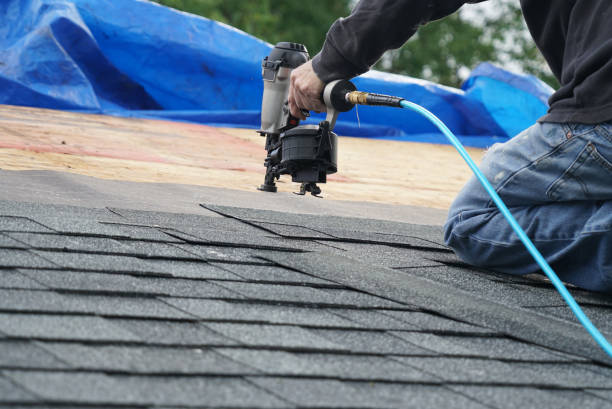
handyman using nail gun to install shingle to repair roof handyman using nail gun to install shingle to repair roof roofing contractor stock pictures, royalty-free photos & images

Common Costly Mistakes in Roofing Projects

  • Improper Installation: Incorrect techniques or poorly executed installations can compromise the structural integrity of your roof.
  • Using Substandard Materials: Non-professionals may cut corners by using low-quality materials that degrade quickly under weather conditions.
  • Inadequate Ventilation: Poor ventilation design can cause heat buildup in summer and moisture accumulation in winter.
  • Failure to Identify Underlying Issues: Amateur contractors might overlook hidden problems such as water damage, mold, or structural weaknesses.
  • Incorrect Roof Slope Design: A poorly designed slope can lead to drainage issues and water pooling.

Each of these mistakes not only increases repair costs but also shortens your roof’s lifespan.

Benefits of Hiring Professional Roofing Contractors

  1. Thorough Inspections
    Pros conduct detailed inspections before starting work. This ensures all underlying issues are identified early on.
  2. Access to High-Quality Materials
    Certified contractors source premium-grade materials suited for your specific climate and building structure.
  3. Expert Craftsmanship
    With years of experience, professionals follow industry best practices for installation, reducing risks of errors during construction.
  4. Comprehensive Warranties
    Many professional contractors offer warranties on both labor and materials, giving you peace of mind after the job is completed.
  5. Compliance with Building Codes
    Professionals ensure that your project adheres to local building codes and regulations, preventing fines or legal complications down the line.
  6. Safety Assurance
    Experienced roofers use proper equipment and safety measures to prevent accidents during the installation process.

Cost Comparison Table

Factor DIY/Amateur Contractor Professional Contractor
Material Quality Often Low High
Risk of Errors High Low
Compliance with Regulations Uncertain Guaranteed
Warranty Offered Rarely Provided Common
Long-Term Costs Higher Due to Repairs Lower Due to Durability

Tips for Selecting a Reliable Roofing Professional

  • Verify certifications such as licensing and insurance coverage.
  • Check reviews online or ask for referrals from trusted sources.
  • Request a written estimate detailing costs, timelines, and scope of work.
  • Ask about warranties on labor and materials.
  • Confirm their familiarity with local building codes.

By taking these steps, you can ensure that you’re working with qualified experts who will deliver quality results without compromising your budget or safety.

Investing in professional services may seem like a higher upfront cost but ultimately prevents expensive repairs caused by amateur work—saving you money over time while ensuring peace of mind about your property’s protection.

Compliance With Regulations for Safe and Reliable Roofing Projects

When it comes to roofing repair or replacement, compliance with industry regulations and local building codes is a critical aspect often overlooked by homeowners. Hiring professional roofing contractors ensures your project adheres to all relevant laws, providing safety, durability, and peace of mind. Below, we explore why compliance matters and how certified experts can deliver a legally sound roofing solution.

The Importance of Regulatory Compliance

Roofing projects must comply with various regulations, including:
Local Building Codes: These codes outline the minimum standards for construction projects in your area. Non-compliance can result in fines or the need to redo the project.
State Licensing Requirements: In most states, roofing contractors are required to hold valid licenses. This ensures they meet industry standards for skill and safety.
Manufacturer Guidelines: Many roofing materials come with specific installation requirements set by manufacturers. Failing to follow these guidelines can void warranties.
Environmental Laws: Proper disposal of old roofing materials is subject to environmental regulations that prevent hazardous waste from causing harm.

How Certified Contractors Ensure Compliance

  1. Comprehensive Knowledge of Codes
    Experienced roofers stay updated on evolving building codes and zoning laws, ensuring every aspect of your project aligns with legal guidelines.
  2. Proper Permitting Process
    Professional contractors handle permits on your behalf, ensuring all necessary documentation is filed correctly before beginning work.
  3. Inspection Readiness
    Certified experts design their work processes to meet inspection criteria at every stage of construction or repair.
  4. Safety Standards Adherence
    Roofing professionals are trained in workplace safety protocols such as OSHA standards, protecting both workers and property owners from accidents.

Risks of Non-Compliance

Failing to comply with regulations can lead to significant long-term consequences:
– Expensive fines or penalties levied by local authorities.

– Voided warranties on materials due to improper installation.

– Safety hazards stemming from structural flaws in the roof.

– Increased insurance premiums or outright denial of claims due to non-compliance.

Aspect Compliant Project Non-Compliant Project
Legal Standing Fulfills all local and state laws Risks penalties or legal action
Warranty Protection Manufacturer warranties remain intact Warranties may be voided
Structural Integrity Meets safety standards for durability Potential for leaks or collapse over time
Resale Value Enhances property value Reduces marketability due to code violations

Benefits for Homeowners

  • A safe and reliable roof designed for long-term performance.
  • Enhanced property value through adherence to high-quality standards.
  • Protection against unexpected legal disputes or financial liabilities.

When investing in a new roof or repairs, working with a contractor who understands regulatory requirements isn’t just a smart choice—it’s essential for safeguarding your home’s future integrity. Always verify certifications and ask about their knowledge of local compliance measures before finalizing your decision.

Investing in Long-Term Savings Through Professional Roof Installation and Replacement

When it comes to roofing, cutting corners often leads to significant expenses down the road. Investing in professional roof installation or replacement ensures not only immediate quality but also long-term financial benefits. Homeowners and business owners alike can enjoy savings in maintenance, energy efficiency, and durability by opting for expert services.

Benefits of Professional Roof Installation

  • Durability and Longevity: Professionally installed roofs are designed to withstand harsh weather conditions and wear over time. This reduces the frequency of repairs or replacements.
  • Warranty Coverage: Most certified contractors offer warranties on materials and labor, protecting you from unexpected costs if issues arise during the warranty period.
  • Proper Installation Techniques: Professionals use advanced tools, techniques, and best practices to ensure your roof is installed properly. Poor installation can lead to leaks and structural damage, increasing repair expenses.

A professionally installed roof pays off by reducing recurring expenses associated with subpar workmanship or cheap materials.

Energy Efficiency Savings

  • Reflective Roofing Materials: These reduce heat absorption, keeping your home cooler in summer and lowering cooling costs.
  • Proper Ventilation Systems: Adequate ventilation prevents heat buildup in your attic during warmer months while regulating indoor temperatures.

According to studies, energy-efficient roofing can lower utility bills by up to 15% annually. Over the lifetime of a well-maintained roof (20–30 years), these savings add up significantly.

Avoiding Frequent Repairs Through Quality Materials

Material Type Average Lifespan (Years) Potential Maintenance Needs
Asphalt Shingles 20–30 Occasional replacement of shingles
Metal Roofing 40–70 Minimal upkeep required
Slate Roofing 75–100+ Rare maintenance due to durability

Investing in these durable options ensures fewer replacements or costly repairs over time.

Reduced Risk of Structural Issues

Inadequate installations can lead to water leaks that damage walls, ceilings, or even foundations. Addressing structural issues caused by poor-quality work is often far more expensive than investing in proper installation initially. Professional contractors conduct thorough inspections before starting any project to ensure compatibility between your roofing system and building structure.

Long-Term Value for Property Owners

While hiring experts might seem like a larger upfront cost compared to DIY methods or uncertified laborers, it ultimately increases property value. A robust roof enhances curb appeal while reassuring potential buyers about the home’s condition should you decide to sell.

Investing in professional roof installation isn’t just about protecting your property; it’s a strategic financial decision that saves time, money, and stress over decades of use.

Investing in Long-Term Savings Through Professional Roof Installation and Replacement

When it comes to your home, the roof is one of the most critical components. It provides protection, insulation, and structural integrity. While roofing projects can seem costly upfront, opting for professional installation or replacement offers significant long-term savings. Below, we’ll explore how hiring professionals for roofing services can help save money over time and provide lasting benefits.

Durability and Longevity

Professionally installed roofs are built to last. Certified contractors use high-quality materials that are designed for durability and performance under various weather conditions. Additionally, their expertise ensures proper installation techniques are used, reducing the likelihood of premature damage or failure.

Key benefits of durable roofing:
– Fewer repair needs over its lifespan
– Extended roof life expectancy (often 20–30 years or more depending on material)
– Reduced risk of water leaks and structural damage

Investing in a high-quality roof upfront can significantly reduce maintenance expenses later on.

Energy Efficiency Enhancements

Professional roofing contractors understand how proper installation impacts energy efficiency. They ensure correct ventilation, insulation, and sealing during installation to optimize your home’s energy consumption.

Energy-saving elements include:
– Proper attic ventilation that regulates indoor temperatures
– High-reflectivity shingles to reduce heat absorption in warmer climates
– Improved insulation to lower heating and cooling costs

These enhancements not only lower utility bills but also make your home more environmentally friendly.

Reduced Risk of Costly Mistakes

Attempting DIY roofing or hiring unqualified contractors often leads to mistakes that can be expensive to fix. Improper installations may result in:
– Water damage from poorly installed flashing or seals
– Misaligned shingles leading to early wear and tear
– Structural issues from inadequate support systems

By hiring certified professionals, you mitigate these risks as they adhere to industry standards and best practices during every step of the project.

Warranty Protection for Peace of Mind

Most professional roofing companies offer warranties on both materials and workmanship. This added protection ensures you won’t face unexpected expenses related to defects or improper installations within the warranty period.

Typical warranty coverage includes:
| Type | Coverage Details | Duration |
|——————–|———————————————–|————————-|
| Material Warranty | Covers defects in manufactured materials | Often 20–50 years |
| Workmanship Warranty | Covers errors made during installation | Typically 5–10 years |

Warranties provide financial security while ensuring accountability for quality work.

Increased Property Value

A professionally installed roof enhances curb appeal and increases property value. If you decide to sell your home in the future, prospective buyers will appreciate a well-maintained, high-quality roof without pending repair concerns. This often translates into a higher resale price, making roof investments even more worthwhile.

Hiring professional roofing contractors not only ensures a sturdy roof but also translates into significant long-term savings through reduced maintenance costs, energy efficiency improvements, fewer costly repairs, reliable warranties, and an enhanced property value. Investing in quality craftsmanship today secures both peace of mind and financial benefits for years ahead.


Five Warning Signs Your Roof Needs Immediate Commercial Roofing Services Phoenix AZ

man with hard hat standing on steps inspecting house roof A man with hard hat standing on steps inspecting house roof roofing contractor stock pictures, royalty-free photos & images

1. Missing or Damaged Shingles

Shingles are designed to protect your roof from water infiltration and external elements. If you notice missing, cracked, or curled shingles, it may indicate aging materials or storm damage. Compromised shingles leave your roof vulnerable to leaks and further deterioration.

Signs to watch for:

– Bare spots where shingles are completely missing

– Cracks along shingle surfaces

– Curled edges or corners

2. Water Stains on Ceilings or Walls

If you observe discoloration or stains inside your home, this could be a sign of water penetrating through the roof layers. Leaks often start small but can expand over time, leading to mold growth and potential structural damage.

Common places where stains appear:

– Ceiling corners near walls

– Along window frames

– Inside attic spaces

3. Granule Loss

Asphalt shingles loose granules over time due to wear and tear or weather exposure. Excessive granule loss reduces a shingle’s effectiveness in protecting against UV rays and rain.

Look for:

– Granules accumulating in gutters or at downspouts

– Bald patches on shingles where granules have eroded

Condition Description Indication
Minimal Light accumulation in gutters Normal wear
Excessive Large amounts found after a storm Potential shingle failure

4. Sagging Rooflines

A sagging roofline is often an indicator of underlying structural issues such as rotting decking, water damage, or compromised beams. This issue should never be ignored as it poses significant safety risks.

What to check:

– Uneven slopes along the roofline

– Noticeable dips in specific areas

– Visible gaps between siding and roof edges

5. Increased Energy Bills

An unexpected spike in energy bills might point to poor insulation caused by roofing problems such as leaks or ventilation issues.

Possible causes include:

– Gaps allowing air leakage

– Moisture reducing insulation performance

– Damaged underlayment restricting proper airflow

By promptly addressing these warning signs, homeowners can mitigate costly repairs and extend the life span of their roofing systems. Regular inspections by a qualified professional can also identify hidden problems before they escalate into major issues.

When to Call Phoenix Commercial Roofing Services and Why It’s Crucial

Roof issues can escalate quickly, leading to costly repairs or even structural damage if not addressed in time. Knowing when to call emergency roofing services is vital for protecting your home and ensuring the safety of its occupants. Below, we outline scenarios that warrant immediate attention, along with the reasons why timely intervention is essential.

When to Call a Phoenix Arizona Commercial Roofing Company for Emergency Services

  1. High winds, hail, or heavy rainfall can cause significant damage.
  2. Look for signs such as missing shingles, broken tiles, or exposed underlayment.
  3. Water stains on ceilings or walls often indicate a leak.
  4. A small leak can quickly grow into a more extensive issue if left unattended.
  5. Trees or large branches falling onto your roof may compromise its structural integrity.
  6. Immediate inspection is necessary to assess the extent of the damage.
  7. A sagging roof could indicate internal structural issues, such as rotting wood or foundation problems.
  8. This requires immediate investigation by professionals to prevent a complete collapse.
  9. Animals such as squirrels, raccoons, or birds often find access through damaged roofing areas.
  10. This could further deteriorate the structure of your roof.

Why Acting Fast is Essential

  • Increased Repair Costs: A small problem today may turn into a major expense tomorrow due to worsening damage over time.
  • Health Risks: Water leaks and moisture buildup encourage mold growth, which can lead to respiratory issues and other health concerns for your family.
  • Energy Inefficiency: Damaged roofs compromise insulation, allowing hot or cold air to escape and increasing energy bills.
Problem Type Associated Risks Response Urgency
Leaks Mold growth; water damage Immediate
Missing shingles Compromised waterproofing Same-day service
Fallen debris Structural instability High

Benefits of Hiring Emergency Roofing Services

  • Expert Assessment
    Contractors have the experience to identify hidden issues that might not be visible during a casual inspection.
  • Quick Response Time
    Emergency services prioritize urgent cases and aim for same-day repairs when possible.
  • Proper Equipment & Materials
    Professionals use high-grade materials suited for long-lasting solutions instead of temporary fixes.

Taking swift action during roof emergencies minimizes risks while safeguarding your home’s value. Always work with reputable contractors who have proven experience in handling emergency situations effectively.

Choosing Professional Help: Key Criteria for Selecting the Right Roofing Contractor

Selecting the right roofing contractor is an essential step in ensuring your roof’s longevity, functionality, and overall value. A well-qualified professional can address your roofing needs efficiently, saving you both time and money in the long run. Below are key criteria to evaluate when choosing a contractor for your project.

Licenses and Certifications

One of the first things to verify is whether the roofing contractor holds the necessary licenses and certifications to operate in your state or region. These credentials demonstrate that they meet industry standards and are legally authorized to provide services.

  • Check if they have a valid roofing license.
  • Verify certifications from reputable manufacturers (e.g., GAF, Owens Corning).
  • Confirm compliance with local building codes and regulations.

Insurance Coverage

Roofing work involves significant risks, so it’s crucial to work with a contractor who carries proper insurance. This protects you from liability in case of accidents or property damage.

  • General liability insurance: Covers damages to your property during the project.
  • Worker’s compensation insurance: Protects against injuries sustained by workers on-site.

Always request proof of insurance before signing any agreement.

Experience and Expertise

The level of experience a contractor brings to the table can directly affect the quality of their work. Look for contractors with proven expertise in handling projects similar to yours.

  • How many years have they been in business?
  • Do they specialize in your type of roof (e.g., asphalt shingles, metal roofing)?
  • Can they provide references or examples of past projects?

A seasoned contractor will also be able to identify potential issues that less experienced professionals might overlook.

Reputation and Reviews

  • Read online reviews on platforms like Google or Yelp.
  • Ask friends, family, or neighbors for recommendations.
  • Check ratings with organizations such as the Better Business Bureau (BBB).

Positive feedback paired with high ratings is usually an indicator of consistent performance.

Written Estimates and Transparent Pricing

A dependable contractor will offer a clear, written estimate outlining all aspects of your project. Transparency is critical when it comes to pricing so that there are no hidden costs later on.

Look for:

– Detailed breakdowns of material costs.

– Labor charges, timelines, and payment schedules.

– Warranty information for both materials and workmanship.

Avoid contractors who push you into signing contracts without providing sufficient details upfront.

Communication Skills

Effective communication ensures that your expectations are met throughout the project. A good roofing contractor should be approachable, listen carefully to your concerns, and keep you informed at every stage.

Caucasian male roofer, using level while working on a roof beam on a construction site Mid-adult male Caucasian roofer, using level while working on a roof beam at the construction site roofing contractor stock pictures, royalty-free photos & images

Key questions include:

1. Are they responsive when contacted?

2. Do they explain technical aspects clearly?

3. Are they open to addressing any issues post-project?

Strong communication fosters trust between homeowners and contractors, leading to smoother collaborations.

Comparison Table for Evaluating Contractors

Criteria Ideal Characteristics
Licenses & Certifications Valid licenses; certified by major manufacturers
Insurance Carry general liability & worker’s compensation policies
Experience 5+ years in business; expertise relevant to roof type
Reputation Positive reviews; references available
Estimate Transparent pricing; written breakdown provided
Communication Prompt responses; clear explanations

By thoroughly evaluating these aspects before making a decision, homeowners can ensure their chosen contractor is well-equipped to deliver quality results tailored to their needs.

Granule Loss and Shingle Deterioration: Insights from a Commercial Roofing Contractor Phoenix

Granule loss and shingle deterioration are common issues homeowners face as their roof ages. These problems not only affect the aesthetics of your home but can also compromise its structural integrity. Understanding these two issues is critical to maintaining your roof’s health and prolonging its lifespan. Below, we break down what granule loss and shingle deterioration mean, why they occur, and how to address them effectively.

What Is Granule Loss?

  • UV Protection: Granules protect your roof by shielding the underlying asphalt layer from harmful ultraviolet (UV) rays, which can cause premature aging.
  • Weather Resistance: They add durability to shingles, protecting against rain, wind, and snow.
  • Aesthetic Appeal: Granules come in various colors that enhance the appearance of your roof.

When these granules begin to wear off or fall away, it can leave your shingles vulnerable to damage. Over time, this increases the risk of leaks or other costly repairs.

Causes of Granule Loss

  1. Aging Shingles: As shingles age, their adhesive weakens, causing granules to dislodge gradually.
  2. Severe Weather Conditions: Hailstorms, heavy rain, or high winds can knock granules loose.
  3. Improper Installation: Poorly installed roofing systems may experience premature granule loss due to uneven stress on shingles.
  4. Foot Traffic on Roofs: Walking on your roof can cause abrasion that loosens granules.
  5. Clogged Gutters: Backlogged water flow accelerates wear-and-tear on edges of roofing materials.

Recognizing Signs of Shingle Deterioration

  • Cracked or Curling Shingles
    Shingles that appear warped or cracked signal advanced stages of wear-and-tear.
  • Bald Spots Where Granules Are Missing
    Bald patches indicate areas where protection against UV rays has been lost.
  • Visible Leaks in Your Attic or Ceiling
    Water stains inside the house could point to compromised shingles allowing moisture through.
  • Shingles Falling Off Your Roof
    Missing shingles may expose underlying sheathing material—that’s a clear sign you’ll need immediate repairs.

Table: Symptoms vs Potential Risks

Symptom Potential Risk
Bald spots on shingles Accelerated aging due to UV exposure
Cracks/Curls in shingle edges Water infiltration leading to leaks
Excessive debris in gutters Increased weight stress & drainage problems

How To Address Granule Loss and Deterioration

  1. Schedule an Inspection: Contact a professional roofing contractor for a detailed assessment.
  2. Repair Damaged Sections: Minor issues like isolated bald spots may be repaired without needing full replacement.
  3. Consider Roof Replacement: Extensive deterioration might warrant replacing old shingles entirely for better long-term durability.
  4. Routine Maintenance: Regular cleaning of gutters and inspections every six months can prevent minor problems from escalating.

By staying vigilant about these issues and addressing them promptly when they arise, you can ensure that your roof remains in excellent condition for years ahead—saving time and money on future repairs while safeguarding your home from weather-related damage.

Understanding Granule Loss and Shingle Deterioration: What It Means for Your Roof

Granule loss and shingle deterioration are two common issues that many homeowners may encounter over the lifespan of their roof. While these problems may seem minor at first, they can lead to extensive damage if left unattended. Understanding what these issues mean and how they impact your roof’s integrity is essential for maintaining a safe and long-lasting roofing system.

What Are Granules, and Why Do They Matter?

Granules are the tiny, sand-like particles embedded on the surface of asphalt shingles. Their primary function is to protect the shingles from ultraviolet (UV) radiation, provide fire resistance, and enhance durability. Over time, these granules can loosen or wear away due to natural aging, weather conditions, or physical damage.

  • UV Protection Weakens: Without adequate granule coverage, shingles are more susceptible to UV rays, which can accelerate their aging process.
  • Shingles Become Brittle: A reduction in granules often leads to brittle shingles that are more likely to crack or break.
  • Aesthetic Appeal Declines: Missing granules can create bald spots on your roof, diminishing its curb appeal.

Common Causes of Granule Loss

  • Weather Exposure: Prolonged exposure to harsh elements like rain, wind, snow, or hail often contributes to granule erosion.
  • Old Age: As a roof nears the end of its lifespan (typically 20–30 years for asphalt shingles), natural wear and tear lead to granule loss.
  • Improper Installation: Poorly installed shingles may not adhere correctly or sustain premature damage during installation.
  • Foot Traffic: Walking on your roof can dislodge granules unnecessarily.
  • Storm Damage: Severe weather events with high winds or hailstorms can strip away protective layers.

Signs of Granule Loss

  1. Granules accumulating in gutters or downspouts after heavy rain.
  2. Bald patches or inconsistencies in shingle texture visible from ground level.
  3. Discoloration on certain areas of the roof where UV exposure has intensified due to missing layers.
  4. Leaks or water stains inside your home caused by compromised waterproofing.

Solutions for Addressing Granule Loss

  1. Schedule a Professional Inspection: A roofing expert can assess the extent of damage and determine whether repairs or a replacement is necessary.
  2. Repair Isolated Areas: If only a few shingles are affected by granule loss, replacing them individually might restore functionality without requiring a full-scale project.
  3. Invest in High-Quality Shingles: Opt for durable materials designed with advanced technology that resists premature deterioration under various weather conditions.
  4. Improve Maintenance Habits: Regularly clean gutters, inspect flashing systems around vents/chimneys/edges annually while ensuring proper ventilation across attic spaces.
Granule Loss Indicator Possible Cause Recommended Action
Loose granules in gutters Aging/weather exposure Inspect entire roof for widespread issues
Bald spots on shingles Physical damage/storms Replace damaged sections promptly
Uneven discoloration UV degradation Install new shingles with added protection

Understanding shingle deterioration fosters better decisions regarding when maintenance should occur vs opting towards replacement instead & keeps property safeguarded effectively long-term against adverse outdoor forces impacting exteriors year-round without avoidable repair escalations further worsening safety risks potentially arising later if ignored .

How to Protect Your Roof from Storm Damage and Minimize Risks

Protecting your roof from storm damage is essential for maintaining the integrity of your home. Severe weather conditions, such as heavy rain, strong winds, hail, and snow, can cause significant damage to your roof over time. By taking proactive steps to minimize risks, you can save yourself from costly repairs and ensure your home remains secure.

Perform Regular Roof Inspections

  • Missing or loose shingles
  • Cracks or holes in the roofing material
  • Debris accumulation in gutters or on the roof itself
  • Signs of water pooling or improper drainage

Scheduling professional inspections at least twice a year—before and after storm seasons—is also advisable. Experts can identify hidden vulnerabilities that may not be apparent during a DIY inspection.

Ensure Proper Gutter Maintenance

  1. Clean out gutters regularly to prevent clogs caused by leaves and debris.
  2. Check downspouts for blockages to ensure proper water flow away from your foundation.
  3. Install gutter guards to reduce debris accumulation during storms.

A well-maintained gutter system ensures that water is diverted away from your roof and home, protecting both structural integrity and landscaping.

Trim Overhanging Tree Branches

  • Trim back any branches that are too close to your roofline (ideally at least 6–10 feet away).
  • Remove dead or weak limbs that are more likely to break during storms.

Professional arborists can safely assess trees near your home and recommend maintenance strategies.

Reinforce Your Roof’s Vulnerable Areas

  • Add roofing tape or sealant in potential weak points where moisture could enter.
  • Secure loose shingles with nails or adhesive before storm season begins.
  • Upgrade flashing around chimneys, vents, skylights, and other protrusions to improve water resistance.

Investing in high-quality materials for these areas will increase durability under harsh conditions.

Install Impact-Resistant Roofing Materials

Material Type Avg Lifespan (Years) Benefits
Asphalt shingles 20–30 Affordable; some options are impact-rated
Metal roofing 40–70 Durable; excellent wind resistance
Slate tiles 50–100 Highly durable; minimal maintenance

While these materials may have higher upfront costs compared to standard options, they provide long-term value by reducing repair expenses after storms.

Secure External Attachments Around Your Home

Items such as satellite dishes, solar panels, or antennas mounted on roofs should be checked regularly for secure installation before storm events occur. Loose attachments could dislodge during high winds and cause additional damage not only to the roof but also surrounding property.

Have an Emergency Plan Ready

  1. Keep contact information for trusted local roofing contractors readily available.
  2. Document pre-storm conditions with photos for insurance purposes.
  3. Know how to safely cover damaged sections with tarps until repairs can be made.

Proactively caring for your roof helps protect it against storm risks while extending its lifespan significantly over time—saving you money and ensuring peace of mind year-round.