


Roofs are one of the most critical components of a home, providing protection against unpredictable weather conditions throughout the year. However, each season brings its own challenges that can take a toll on your roof if not properly managed. Understanding these seasonal demands and addressing them proactively is essential for maintaining longevity and performance.
Common Seasonal Roofing Challenges
- Springtime often brings heavy rains, which can reveal leaks or weak spots in your roof.
- Melting snow from winter combined with rain can lead to pooling water on flat roofs.
- Moss and algae growth might increase due to higher moisture levels.
- Prolonged exposure to UV rays can cause roofing materials to deteriorate or fade.
- High temperatures may lead to thermal expansion, which can weaken roofing seals over time.
- Strong summer storms might cause wind damage or dislodge shingles.
- Falling leaves can clog gutters, leading to water buildup that damages roof edges.
- Temperature fluctuations during fall nights and days may stress roofing materials.
- Debris buildup creates opportunities for mold and mildew if left unchecked.
- Snow accumulation adds significant weight, potentially stressing the roof structure.
- Ice dams form when heat escapes through the attic, causing uneven melting and refreezing along the roofline.
- Freezing temperatures exacerbate small cracks in shingles or flashing.
Steps to Address Seasonal Demands
- Schedule Regular Inspections: Professional inspections before spring rains or winter snow help identify underlying problems early.
- Clean Gutters Regularly: Remove debris during both fall and spring to prevent water pooling near your roofline.
- Trim Overhanging Branches: Trimming branches reduces debris accumulation and minimizes risks of wind damage during storms.
- Enhance Ventilation and Insulation: Proper attic ventilation prevents heat buildup in summer and ice dam formation in winter.
Roofing Maintenance Checklist
| Maintenance Task | Best Time of Year | Why It’s Important |
| Inspect Roof for Damage | Spring/Fall | Identifies issues caused by weather |
| Clean Gutters | Fall/Spring | Prevents water damming |
| Check Attic Ventilation | Summer/Winter | Reduces energy costs and structural stress |
| Assess Flashing Around Chimneys/Skylights | Any Season | Avoids leaks around vulnerable areas |
When to Call a Professional
- Repairing damaged shingles after a storm ensures proper installation techniques are used.
- Addressing structural issues detected during inspections requires specialized tools and training.
- Replacing worn-out flashing safeguards against leaks that could result in costly interior repairs.
Understanding seasonal demands allows homeowners to implement timely measures that protect their investment while ensuring their family’s safety year-round.
Ensuring Long-Term Protection with a Commercial Roofing Contractor Phoenix
Roof maintenance is one of the most critical aspects of homeownership, yet it often gets overlooked until significant problems arise. Regular professional roof inspections are essential for ensuring your roof’s longevity and protecting your property from costly damage. Here’s why investing in professional inspections is crucial for long-term protection.
Preventative Care to Prolong Roof Lifespan
- Early detection of leaks: Small leaks can grow into significant water damage affecting ceilings, walls, and insulation.
- Protection against structural decay: Moisture buildup can cause rot or mold in wooden roofing components.
- Increased durability: Routine maintenance helps maximize the life expectancy of roofing materials.
Comprehensive Assessment by Experts
| Inspection Element | Purpose of Examination |
| Shingles or tiles | Check for cracks, curling, or missing pieces that compromise protection |
| Flashing | Ensure proper sealing around chimneys, vents, and skylights |
| Gutters | Verify that gutters are free from blockages causing water pooling |
| Roof decking | Assess structural integrity below the surface |
| Attic ventilation | Inspect airflow to prevent moisture buildup |
This comprehensive assessment helps homeowners understand the current condition of their roof while addressing any areas that need attention.
Cost-Saving Benefits Over Time
- Avoid expensive repairs: Catching damage early prevents costly emergency repairs or full replacements.
- Lower energy costs: Identifying and fixing ventilation issues ensures energy efficiency by regulating attic temperatures.
- Protect home value: A well-maintained roof contributes positively to your property’s resale value.
By identifying potential problems during regular inspections, property owners can avoid unexpected expenses while maintaining peace of mind.
Compliance with Warranty Requirements
Many roofing material manufacturers require periodic professional inspections as part of their warranty terms. Neglecting these requirements might void your warranty coverage. Hiring certified contractors ensures that all inspection and maintenance work adheres to industry standards.
When Should You Schedule Inspections?
- Annually for routine maintenance: A once-a-year inspection suffices under normal circumstances.
- After severe weather events: Hailstorms or heavy winds can cause hidden damage that needs immediate attention.
- Before buying or selling a home: Ensure there are no hidden defects affecting the value or safety of the property.
By staying proactive about scheduling inspections with qualified professionals, you reduce long-term risks while enhancing your home’s overall reliability and safety.
Regular professional roof inspections are not just about maintaining appearances but ensuring longevity and functionality at every level through expert care tailored specifically for your rooftop needs.
Early Detection of Hidden Issues with Commercial Roofing Services Phoenix AZ to Prevent Costly Replacements
Proactively addressing hidden roofing issues is essential for maintaining the structural integrity of your home and avoiding expensive repairs. Small, undetectable problems can quickly escalate if left unattended, leading to the need for costly roof replacements. Here’s how early detection and regular maintenance can make a significant difference.
Common Hidden Roofing Issues
- Leaking or Clogged Gutters: Improper drainage can cause water to accumulate on your roof, leading to leaks and water damage.
- Flashing Damage: Damaged or loose flashing around chimneys, vents, and skylights can allow moisture to seep into your attic.
- Moisture Buildup in Insulation: Undetected leaks can lead to damp insulation, which may encourage mold growth and weaken the roof’s structure.
- Pest Infestation: Birds, rodents, or insects nesting in your roof can damage shingles or underlying materials over time.
- Cracks in Roofing Material: Hairline cracks in shingles or tiles may seem insignificant but could expand due to weather exposure.
Benefits of Early Detection
- Reduced Repair Costs: A minor repair is far less expensive than replacing an entire roof structure.
- Increased Roof Lifespan: Addressing small issues helps extend the life of your roofing system by maintaining its integrity.
- Improved Energy Efficiency: Fixing gaps or damaged areas ensures proper insulation, reducing heating and cooling costs.
- Healthier Living Environment: Preventing moisture buildup stops mold growth that could negatively impact indoor air quality.
Signs You May Need a Roofing Inspection
- Water stains on ceilings or walls inside your home.
- Increasing utility bills due to poor insulation from roofing leaks.
- Missing shingles observed after heavy winds or storms.
- Sagging areas on the roof surface.
- Granules from asphalt shingles collecting in gutters.
Professional Methods for Detecting Hidden Issues
| Method | Purpose |
| Infrared Scanning | Identifies trapped moisture beneath roofing materials using heat mapping technology. |
| Drone Inspections | Provides high-resolution images of hard-to-reach areas without risking safety hazards for workers. |
| Core Sampling | Examines layers of roofing material for signs of degradation or trapped water within insulation layers. |
| Moisture Meter Testing | Measures levels of moisture within the attic or roof deck materials accurately. |
Preventative Measures You Can Take
- Regularly clean gutters and downspouts to ensure proper drainage.
- Trim overhanging tree branches that could drop debris onto your roof.
- Conduct visual inspections after major storms for missing shingles or damaged flashing.
- Schedule annual professional inspections even if no obvious problems exist.
Early detection is a key factor in preventing minor roofing issues from escalating into large-scale replacements that strain budgets unnecessarily. By taking preventative measures at home and relying on expert assessments when needed, you safeguard both your property investment and peace of mind long-term.
Discover Why a Phoenix Arizona Commercial Roofing Company is Essential for Your Business
Roofs are a significant investment, offering protection, insulation, and curb appeal to your property. However, not all roofing systems are created equal, and their performance depends heavily on proper installation and maintenance. This is where professional expertise becomes indispensable. Hiring qualified roofing contractors ensures your roof not only meets industry standards but also performs optimally for years to come.
Knowledge of Diverse Roofing Materials
- Asphalt shingles: Affordable, durable, and versatile.
- Metal roofing: Highly durable and energy-efficient.
- Clay or concrete tiles: Known for their longevity and aesthetic appeal.
- Slate roofing: Premium option with exceptional durability.
- Flat or membrane roofs: Commonly used on commercial buildings.
Each material has specific installation requirements and maintenance needs. Professionals possess the training and tools necessary to handle these materials correctly.
Advanced Installation Techniques
- Proper alignment of shingles or tiles.
- Adequate underlayment installation for moisture resistance.
- Precise flashing placement around chimneys, vents, and skylights.
Their knowledge helps eliminate errors that could compromise the functionality of your roof.
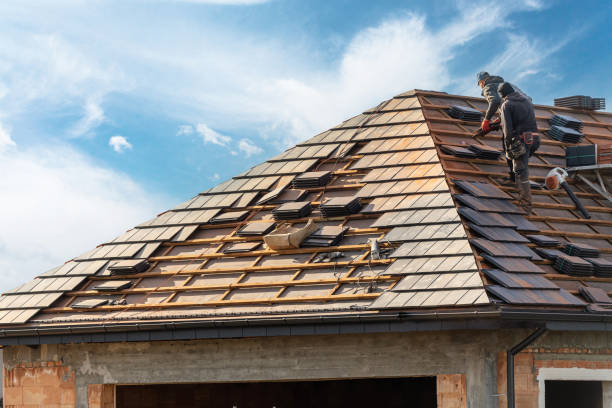
Access to Specialized Tools
| Tool | Purpose |
| Pneumatic nail guns | Faster and more secure shingle installation |
| Safety harnesses | Ensuring worker safety during high installations |
| Magnetic sweepers | Collecting nails and debris after construction |
| Moisture meters | Detecting hidden water damage |
Professional contractors utilize these tools efficiently to deliver high-quality results while minimizing risks.
Warranty Protection
Most manufacturers only honor warranties if the roof is installed by licensed professionals. Improper installation can void warranties altogether. By hiring experts familiar with warranty requirements, you protect yourself against unexpected repair expenses in the future.
Compliance with Building Codes
Roofing projects must adhere to local building codes regarding materials, load capacities, insulation standards, etc. Professional contractors stay updated on these regulations and ensure your project complies fully—avoiding legal complications or costly fines.
Long-Term Cost Efficiency
- Enhanced energy efficiency lowers utility bills.
- Fewer weather-related damages reduce long-term costs.
Hiring professionals ultimately yields better financial outcomes over time without compromising quality or safety.
Investing in skilled roofing contractors is key for safeguarding your home’s structural integrity while optimizing its appearance and performance potential. Their expertise ensures work is completed safely and professionally—valuable benefits that outweigh any short-term cost savings from unqualified alternatives.
Safety and Efficiency: Key Reasons to Choose Expert Roofing Contractors
When it comes to roofing projects, safety and efficiency should be top priorities. Handling roof repairs or installations without professional assistance can lead to accidents, wasted time, or costly errors. Hiring expert roofing contractors ensures that the job is done right the first time while prioritizing the safety of all involved parties. Below are key reasons why choosing professionals is essential for safety and efficiency.
1. Specialized Training and Certification
Professional roofing contractors undergo rigorous training to master their trade. This includes understanding advanced roofing techniques, adhering to safety standards, and learning how to operate specialized equipment properly. Some of the certifications they often hold include:
– OSHA (Occupational Safety and Health Administration) compliance for workplace safety.
– Manufacturer-specific certifications for installing materials such as shingles or metal roofing systems correctly.
– Licensing from state or local authorities ensuring they meet industry standards.
These qualifications ensure that contractors deliver high-quality work while minimizing risks during a project.
2. Use of Proper Equipment
Roofing projects require tools and equipment that are not typically available to homeowners or DIY enthusiasts. Professional roofers utilize:
– Fall protection systems, such as harnesses and guardrails, to work safely at heights.
– Advanced tools like pneumatic nail guns, moisture meters, and thermal imaging devices for precise repairs or installations.
– Heavy-duty ladders and scaffolding to ensure stability during the job.
Accessing this equipment ensures efficiency without compromising on safety.
3. Knowledge of Local Building Codes
Expert roofing contractors are well-versed in local building codes and regulations that pertain to residential or commercial roofs. Compliance with these codes ensures that your roof not only meets structural requirements but also avoids potential fines or issues during property inspections.
| Building Code Requirement | Common Violation with DIY Projects | Consequence |
| Proper Roof Ventilation | Insufficient vents installed | Premature shingle deterioration |
| Correct Underlayment Installation | Skipping underlayment altogether | Water damage from leaks |
Hiring professionals eliminates these risks by ensuring adherence to regulations.
4. Reduction in Accidents and Injuries
Roofing projects involve significant risks such as falls, tool mishandling, or exposure to hazardous materials like asbestos found in old shingles. Professional contractors mitigate these dangers by:
– Conducting thorough risk assessments before starting work.
– Wearing personal protective equipment (PPE), including helmets, gloves, eye protection, and non-slip footwear.
– Implementing strict safety protocols on-site.
This reduces both workplace injuries for workers and liability risks for property owners.
5. Enhanced Project Efficiency
Experienced roofing contractors complete projects efficiently due to their expertise in planning, resource management, and teamwork capabilities:
1. They perform a detailed assessment first to identify problem areas quickly.
2. They have access to a reliable supply chain for quality materials at competitive prices.
3. Their team executes repairs or installations within scheduled deadlines without compromising quality.
Attempting DIY roof repairs can lead to delays caused by lack of knowledge or unforeseen challenges—issues that professionals know how to handle seamlessly.
Takeaway: Why It Pays Off in the Long Run
Investing in expert roofing contractors may seem like an added expense initially; however, it prevents unnecessary costs associated with errors during installation or repair processes when done incorrectly by untrained individuals. The combination of specialized skills, access to professional-grade tools, compliance with building codes, enhanced safety measures, and streamlined workflows makes hiring professionals a prudent choice for any homeowner looking for durable results in an efficient manner.
Preserving Warranty and Insurance Claims Through Proper Roofing Practices
Maintaining the integrity of your roof not only ensures the safety of your home but also plays a crucial role in preserving warranty coverage and ensuring successful insurance claims when needed. Many homeowners may not realize that improper roofing practices or neglect can void warranties and affect insurance claims. Here’s how you can safeguard these essential protections through proper roofing practices.
Understanding Roofing Warranties
- Manufacturer’s Warranty: Covers defects in the roofing materials, such as shingles or underlayment. These warranties often have specific terms and conditions that must be followed to remain valid.
- Contractor’s Workmanship Warranty: Covers issues stemming from improper installation techniques or poor craftsmanship. This warranty generally depends on the contractor’s policies and reputation.
Failing to adhere to maintenance guidelines, using unapproved materials, or hiring unqualified contractors can void both types of warranties.
Common Mistakes That Void Warranties
To preserve your warranty coverage, avoid these common pitfalls:
– DIY Roof Repairs: Attempting repairs without professional expertise can lead to subpar results and void warranties that require certified contractors for repairs and installations.
– Improper Ventilation: Poor ventilation can trap heat and moisture in your attic space, potentially damaging shingles and voiding material warranties.
– Failure to Maintain Routine Inspections: Most warranties stipulate regular inspections by licensed roofing professionals as a prerequisite for coverage. Neglecting this requirement could leave you unprotected.
Tips to Safeguard Your Roofing Warranty
By following these best practices, you can ensure that your roof remains under warranty:
1. Schedule annual professional roof inspections for early detection of potential issues.
2. Keep detailed documentation of all maintenance, inspections, and repairs performed on your roof.
3. Use materials approved by the manufacturer when replacing damaged components.
4. Work exclusively with licensed, insured contractors familiar with warranty requirements.
5. Address small issues promptly before they escalate into larger problems.
The Role of Insurance Claims in Roofing
In addition to protecting your warranty, proper roofing practices are essential for successful insurance claims after unexpected damage caused by storms, fire, or other disasters.
Key Steps for Easier Insurance Claims:
| Step | Action |
| 1 | Document pre-damage conditions with photographs during routine inspections. |
| 2 | Retain all repair receipts and inspection reports as proof of maintenance. |
| 3 | Notify your insurer promptly after damage is discovered. |
| 4 | Work with qualified contractors who specialize in storm damage repairs. |
| 5 | Ensure all temporary fixes comply with proper standards until permanent repairs are completed. |
Why Professional Roofers Are Essential
Hiring skilled professionals ensures both warranties and insurance claims remain valid while providing long-term benefits such as quality installation, correct material usage, and compliance with industry standards.
By partnering with experienced roofing contractors who understand warranty requirements and insurance claim processes, homeowners can protect their investments while avoiding costly disputes or surprises down the line.
Storm-Proofing Your Roof: Essential Steps to Safeguard Against Severe Weather
Severe weather can pose a significant threat to the integrity of your roof, making it essential for homeowners to take proactive measures to storm-proof their homes. Understanding how to bolster your roof’s resilience can save you from costly repairs, ensure the safety of your household, and extend the life of your roofing system. Below are actionable steps to safeguard your roof against harsh weather conditions.
Schedule Regular Roof Inspections
- Missing or damaged shingles
- Signs of water penetration or leaks
- Weak flashing around chimneys, vents, or skylights
- Structural damage that could worsen during storms
Scheduling inspections at least twice a year—preferably in spring and fall—can prepare your roof for both winter storms and summer thunderstorms.
Reinforce Roofing Materials
| Roofing Material | Benefits | Durability Under Storms |
| Impact-resistant shingles | Withstand hail and wind debris | High |
| Metal roofing | Resists wind uplift and don’t crack | High |
| Rubber roofing | Excellent for flat roofs; minimizes water pooling | Moderate to High |
Upgrading materials might involve higher upfront costs but often leads to long-term savings through reduced repair needs.
Secure Loose Elements on Your Roof
Strong winds can dislodge components such as gutters, downspouts, and flashing. Before storm season begins:
1. Ensure all fasteners and brackets are securely mounted.
2. Replace rusted or corroded screws on metal components.
3. Use additional sealants around vulnerable areas like vents or skylights.
By eliminating potential weak points, you reduce the risk of structural damage during high winds.
Trim Nearby Trees and Clear Debris
Overhanging branches can break off during storms and cause significant damage to shingles or even puncture the roof itself. Ensure that trees near your home are trimmed back at least 6–10 feet from the structure.
Additionally:
– Clean gutters regularly to prevent water pooling.
– Remove leaves or moss accumulation that could lead to moisture retention.
Keeping these areas clear not only protects against storm damage but also helps maintain proper drainage through heavy rainfalls.
Install Wind Straps or Hurricane Clips
For homeowners in regions prone to hurricanes or tornadoes, investing in wind straps (also known as hurricane clips) is a smart decision. These metal devices secure the roof structure more tightly to the walls of your home, reducing the likelihood of uplift during extreme winds.
Reinforce Roof Ventilation Systems
Proper ventilation helps regulate moisture levels inside the attic space during storms with heavy rains or fluctuating temperatures:
– Install ridge vents with protective covers.
– Ensure soffit vents are clean and unobstructed.
– Check attic insulation for signs of dampness caused by leaks.
Controlled airflow prevents internal moisture buildup that could weaken structural elements over time.
Final Thoughts on Storm-Proofing Your Roof
Storm-proofing your roof requires preparation, attention to detail, and an understanding of how various factors—like material choice, maintenance habits, and environmental surroundings—impact its durability under severe conditions. Partnering with a professional roofing contractor ensures proper implementation of these measures while maintaining long-term cost-effectiveness for homeowners looking to protect their investment effectively.
- What to Expect When Hiring a Commercial Roofing Contractor Phoenix for Your Project
- Seasonal Demands on Phoenix Commercial Roofing and How to Address Them
- Expert Tips for Choosing Phoenix Commercial Roofing Professionals for Repairs and Replacement
- Five Warning Signs Your Roof Needs Immediate Commercial Roofing Services Phoenix AZ
- Key Factors Every Homeowner Should Understand When Choosing a Commercial Roofing Contractor Phoenix
- Top 6 Tips and Tricks to Find the Best Commercial Roofing Contractor Phoenix Has to Offer